

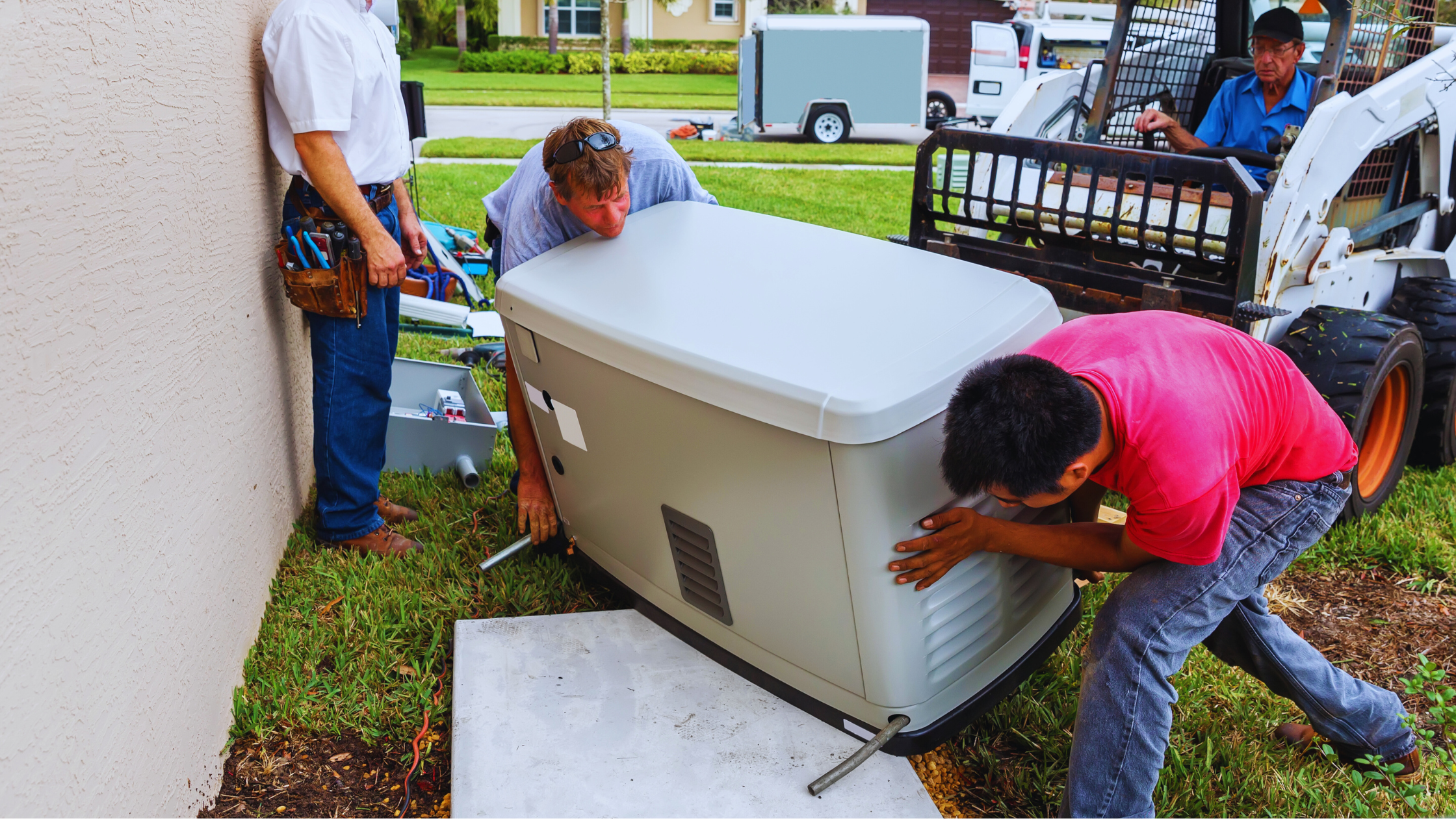
When the power goes out, a home generator can be a lifesaver, keeping your lights on, your refrigerator running, and your family comfortable. But choosing the right generator isn’t as simple as picking one off the shelf. The key to reliable backup power is selecting the correct size for your home’s unique needs. A generator that’s too small won’t be able to power your essential appliances, while one that’s too large can be inefficient and costly.
This guide will walk you through everything you need to know about home generator sizes. We’ll cover how generators are measured, what factors to consider when choosing a size, and the different types available. By the end, you’ll have the knowledge to make an informed decision and ensure your home is prepared for any power outage. For homeowners in Southern New Jersey, understanding these details is the first step toward a seamless whole home generator installation in South Jersey.
Key Takeaways
- Generator size is measured in watts (W) or kilowatts (kW), which represents the electrical output it can produce. It’s crucial to calculate your home’s power needs accurately to select a generator that can handle your essential appliances.
- The right generator size depends on your home’s square footage, the number and type of appliances you need to power, and whether you want partial or whole-house coverage.
- Working with a professional, like a licensed Williamstown NJ electrician, is the safest and most reliable way to assess your power requirements and ensure a correct and safe generator installation.
How Are Home Generators Sized?
Before you can choose a generator, it’s important to understand how they are sized and what the numbers mean. Generators are rated by their power output, which is measured in watts (W) or kilowatts (kW). One kilowatt is equal to 1,000 watts. This rating tells you how much electricity the generator can produce at any given moment.
You’ll often see two different wattage ratings for a generator:
- Running Watts (or Rated Watts): This is the continuous amount of power the generator can produce over a long period. This number is the most important one to consider, as it reflects the generator’s steady-state capacity to run your appliances.
- Starting Watts (or Surge Watts): This is the extra burst of power the generator can provide for a few seconds to start up motor-driven appliances like refrigerators, air conditioners, or well pumps. These appliances require significantly more power to get started than they do to run continuously.
When calculating your power needs, you must account for both running and starting watts to avoid overloading the generator.
What Size Generator Do I Need?
The right generator size depends entirely on what you want to power during an outage. Do you just need to keep the lights on and the fridge cold, or do you want to run your entire home as if nothing happened? Answering this question is the first step in determining your wattage requirements.
Calculating Your Power Needs
The most accurate way to determine the right size is to calculate the total wattage of all the appliances and systems you want to power.
Step 1: List Your Essential Appliances
Make a list of every item you want to run during a power outage. Think about both the necessities and the conveniences. Your list might include:
- Refrigerator/Freezer
- Lights in key areas (kitchen, bathroom, living room)
- Sump pump
- Well pump
- Furnace fan (for heating)
- Central air conditioner
- Microwave
- Television
- Computers and internet modem/router
- Medical equipment (like a CPAP machine)
- Garage door opener
Step 2: Find the Wattage for Each Item
Next, find the running and starting wattage for each item on your list. This information is usually found on the appliance’s data plate or in the owner’s manual. If you can’t find it, you can use a wattage estimation chart, but keep in mind these are averages.
Here are some typical wattage estimates for common household appliances:
| Appliance | Running Watts | Starting Watts |
|---|---|---|
| Refrigerator | 800 W | 2,200 W |
| Sump Pump (1/2 HP) | 1,050 W | 2,150 W |
| Central Air (3-ton) | 3,500 W | 6,000 W |
| Furnace Fan (1/2 HP) | 800 W | 2,350 W |
| Microwave | 1,000 W | – |
| Light Bulb (LED) | 10 W | – |
| Television | 300 W | – |
| Computer & Monitor | 400 W | – |
Step 3: Calculate Your Total Wattage
To find your total requirement, follow these two calculations:
- Total Running Watts: Add up the running watts of all the appliances you plan to use simultaneously.
- Total Starting Watts: Identify the appliance with the highest starting wattage. Add this number to your total running watts. This gives you the minimum surge capacity your generator needs.
For example, let’s say you want to power a refrigerator, a few lights, and a sump pump.
- Running Watts: 800 W (fridge) + 1050 W (sump pump) + 50 W (lights) = 1,900 W
- Starting Watts: The refrigerator has the highest starting wattage (2,200 W). However, the sump pump also has a high starting requirement. To be safe, you should only add the single highest starting wattage to your running total, as it’s unlikely both will start at the exact same moment. Let’s use the fridge’s starting wattage. But a safer calculation is to add the difference between starting and running watts for the highest-draw item. A simpler, more conservative method is: 1,900 W (total running) + 2,200 W (highest starting) = 4,100 W. You would need a generator with at least 1,900 running watts and 4,100 starting watts.
This calculation can get complicated quickly. For a reliable assessment, especially for a whole home generator installation in South Jersey, it’s best to consult a professional electrician.
Common Home Generator Sizes
Home standby generators are typically categorized by their kilowatt (kW) output. Here’s a breakdown of common sizes and what they can typically power.
Small Standby Generators (7-12 kW)
These generators are an excellent choice for homeowners who want to power just the essentials. They can typically handle:
- A refrigerator and freezer
- A sump pump or well pump
- A furnace for heating
- Lights in several rooms
- A few outlets for small electronics like TVs and computers
A 10 kW generator is a popular choice for partial home backup, providing peace of mind without the cost of a larger unit.
Medium Standby Generators (13-18 kW)
A medium-sized generator offers more flexibility and can power a larger number of appliances, making it a good “managed whole-home” solution. With a 16-18 kW unit, you could run everything an 11 kW unit can, plus:
- A small central air conditioner (2-3 tons)
- An electric water heater
- An electric stove or oven
- A washer and electric dryer
With this size, you might need to manage your power usage—for instance, not running the dryer and the central air at the same time. This is where an automatic transfer switch with power management capabilities becomes invaluable.
Large Standby Generators (20-26 kW)
If you want to power your entire home without compromise, a large standby generator is the solution. These units are powerful enough to handle nearly everything in a typical single-family home simultaneously. A 22-26 kW generator can comfortably power:
- All essential appliances
- A large central air conditioning unit (4-5 tons)
- Multiple large appliances (oven, dryer, etc.)
- All lights and outlets throughout the house
This is the ultimate choice for a true whole home generator installation, providing seamless power that makes an outage feel like a minor inconvenience. Homeowners in areas like Williamstown, NJ, who rely on well water and have larger homes often find this size to be the perfect fit.
Extra-Large Standby Generators (30 kW and above)
For very large luxury homes with extensive power needs—such as multiple HVAC units, heated pools, or home workshops—extra-large generators are available. These powerful systems are custom-designed for the home’s specific electrical load and require a detailed professional assessment.
Factors to Consider When Choosing a Size
Beyond your list of appliances, several other factors will influence your decision.
- Home Size: A larger home generally has more lights, outlets, and larger HVAC systems, requiring a more powerful generator. A small home might be adequately covered by a 12 kW unit, while a 3,000-square-foot home might need a 22 kW generator for full coverage.
- Fuel Type: Most standby generators run on natural gas or liquid propane. Ensure you have a reliable fuel source. Natural gas is convenient as it’s supplied directly to your home, while propane requires a large storage tank. The fuel type doesn’t directly impact the size you need, but it’s a critical part of the installation process.
- Future Needs: Think about your future plans. Are you planning to finish your basement, add an electric vehicle charger, or install a larger air conditioner? It’s often more cost-effective to install a slightly larger generator now than to upgrade later.
Why Professional Installation is Crucial
Choosing the right generator size is only half the battle. A proper and safe installation is critical for reliable performance. A licensed Williamstown, NJ electrician like the experts at Krise Services will perform a thorough load calculation to precisely determine your power needs.
A professional installation includes:
- Accurate Sizing: We will assess your home’s electrical panel and calculate your exact wattage requirements.
- Proper Placement: Generators must be installed outdoors, a safe distance from doors, windows, and vents to prevent carbon monoxide buildup.
- Automatic Transfer Switch (ATS) Installation: The ATS is the brain of the system. It automatically senses a power outage, disconnects your home from the utility grid, and switches to generator power. This process is seamless and, most importantly, safe—it prevents dangerous back-feeding of electricity onto the grid, which could endanger utility workers.
- Fuel and Electrical Connections: Our certified technicians will safely connect the generator to your home’s fuel supply and electrical system, ensuring all work is up to code.
Power Your Home with Confidence
Choosing the right size generator is a significant decision that protects your family, your home, and your comfort during a power outage. While it might seem complex, breaking it down into your essential needs makes the process manageable. By calculating your wattage requirements and considering the level of coverage you desire, you can find the perfect generator for your home.
If you’re ready to explore options for a whole home generator installation in South Jersey, don’t leave it to guesswork. The team at Krise Services is here to help. Our experienced electricians can provide a professional assessment, recommend the ideal generator size for your home, and handle the entire installation process from start to finish. Contact us today to schedule your consultation and enjoy uninterrupted peace of mind.