

Summer heat in South Jersey can be relentless, and choosing the right cooling system for your home is crucial for comfort and energy efficiency. Ductless mini-split AC systems have gained popularity as an alternative to traditional central air conditioning, but are they the best choice for your property?
These innovative cooling solutions offer unique advantages that make them particularly appealing for certain homes and situations. However, like any HVAC system, they also come with potential drawbacks that homeowners should consider before making an investment.
Understanding both the benefits and limitations of ductless systems will help you make an informed decision about whether this technology aligns with your cooling needs, budget, and long-term home comfort goals.
Key Takeaways
- Ductless mini-splits excel in energy efficiency and zoned cooling but require higher upfront investment compared to traditional AC systems
- Installation flexibility makes them ideal for older homes, additions, or spaces without existing ductwork, though multiple indoor units may impact your home’s aesthetics
- Professional installation by qualified South Jersey HVAC contractors is essential for optimal performance, proper sizing, and warranty protection
The Advantages of Ductless Mini-Split Systems
Superior Energy Efficiency
Ductless systems eliminate the energy losses associated with traditional ductwork, which can account for 20-30% of cooling energy consumption. Without ducts to leak conditioned air, these systems deliver cooled air directly to living spaces, resulting in significantly lower utility bills.
Most mini-split systems also feature variable-speed compressors that adjust cooling output based on demand. This technology allows the system to maintain consistent temperatures without the energy-intensive cycling of traditional AC units.
Zoned Cooling Control
One of the most compelling benefits of ductless systems is their ability to provide independent temperature control for different areas of your home. Each indoor unit operates separately, allowing family members to customize comfort levels in their specific zones.
This zoned approach means you’re not wasting energy cooling unoccupied rooms. You can maintain comfortable temperatures in frequently used spaces while allowing lesser-used areas to remain at more energy-efficient settings.
Installation Flexibility
Ductless systems shine in situations where traditional ductwork installation would be impractical or extremely expensive. Older homes in South Jersey often lack the infrastructure for central air, making mini-splits an attractive retrofit option.
The installation process is typically less invasive than ducted systems, requiring only a small hole through the wall to connect indoor and outdoor units. This makes them excellent choices for home additions, converted spaces, or rooms that are difficult to reach with traditional ductwork.
Improved Indoor Air Quality
Without ductwork to collect dust, allergens, and other contaminants, ductless systems can contribute to better indoor air quality. Many models include advanced filtration systems that remove particles and odors from the air before circulation.
The absence of ducts also eliminates hiding places for mold and bacteria that can sometimes develop in traditional HVAC systems, particularly in humid climates.
The Disadvantages of Ductless Systems
Higher Initial Investment
The upfront cost of ductless mini-split systems is typically higher than traditional window units or basic central air systems. Quality systems from reputable manufacturers require significant initial investment, and costs increase with the number of zones you want to cool.
Professional installation adds to the expense, though this investment is crucial for proper system performance and longevity. While energy savings can offset higher initial costs over time, the payback period varies depending on usage patterns and local energy rates.
Aesthetic Considerations
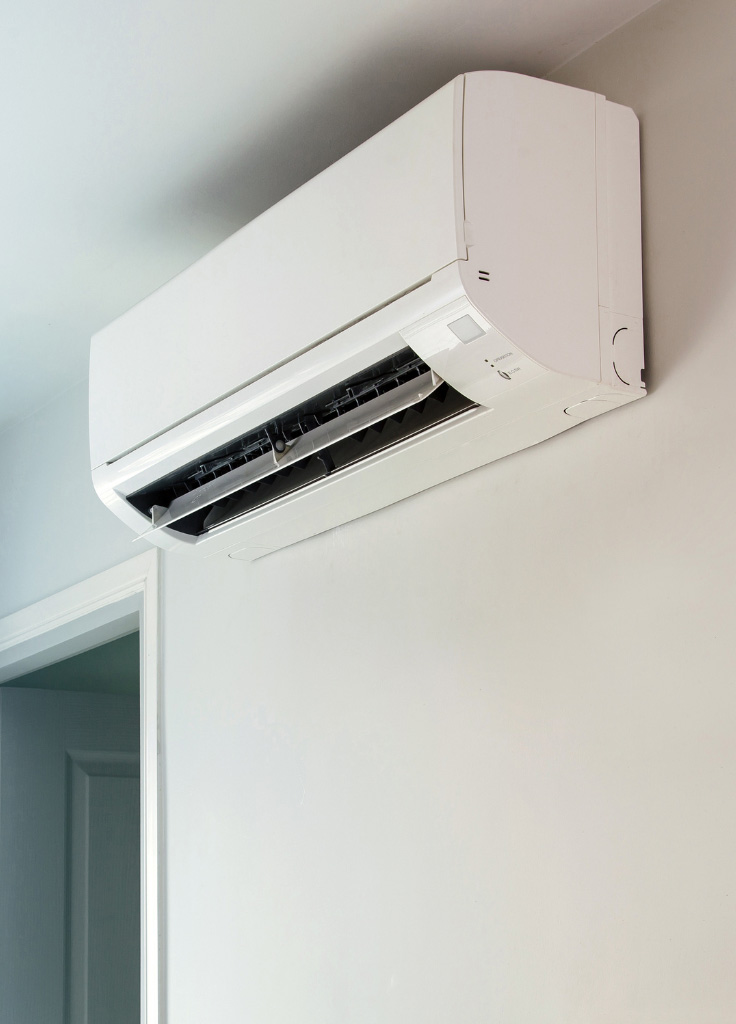
Indoor units are visible components that mount on walls or ceilings, which some homeowners find less appealing than the hidden nature of ducted systems. While modern units feature sleek designs, they remain noticeable elements in living spaces.
Homes requiring multiple zones need several indoor units, which can create a more industrial appearance. This visual impact is particularly relevant in formal living areas where aesthetics are a priority.
Maintenance Requirements
Each indoor unit requires individual maintenance, including regular filter cleaning and professional servicing. Homes with multiple zones mean multiple units to maintain, which can increase long-term maintenance costs and time investment.
Outdoor units also need regular cleaning and professional maintenance to maintain efficiency and prevent costly repairs. In South Jersey’s varied climate conditions, seasonal maintenance becomes even more important.
Limited Heating Capability
While many ductless systems offer heat pump functionality, their heating performance diminishes in extremely cold temperatures. South Jersey’s winter conditions may require supplemental heating sources for optimal comfort during the coldest months.
The heating capacity of mini-splits also varies significantly between models, and systems primarily designed for cooling may not provide adequate heating performance for year-round comfort.
Is Professional Installation Worth It?
Professional installation by qualified HVAC contractors is essential for ductless system success. Proper sizing, refrigerant line installation, and electrical connections require specialized knowledge and tools that ensure optimal performance and system longevity.
DIY installation attempts often void manufacturer warranties and can result in reduced efficiency, premature equipment failure, or safety hazards. Professional installers also understand local building codes and permit requirements that may apply to your project.
Experienced contractors can evaluate your home’s specific cooling needs, recommend appropriate system sizing, and identify the best locations for indoor and outdoor units to maximize performance and minimize aesthetic impact.
Making the Right Choice for Your Home
Ductless mini-split systems work best in specific situations and home types. They’re excellent choices for older homes without existing ductwork, new additions, or spaces that are difficult to cool with traditional systems.
Consider your long-term plans, aesthetic preferences, and budget when evaluating whether ductless cooling makes sense for your property. While the initial investment is higher, the energy savings and improved comfort may justify the cost over time.
Consulting with experienced HVAC professionals can help you understand whether ductless technology aligns with your specific cooling needs and home characteristics.
Finding the Right Solution for South Jersey Homes
Choosing between ductless and traditional cooling systems depends on your home’s unique characteristics, your comfort preferences, and your budget. Both options have their place in South Jersey’s diverse housing market, from historic properties to modern constructions.
The key to making the right decision lies in understanding your specific needs and working with qualified professionals who can evaluate your situation objectively. Whether you choose ductless cooling or traditional central air, proper installation and maintenance are crucial for long-term satisfaction and system performance.
For homeowners considering ductless cooling installation in South Jersey, consulting with local HVAC contractors who understand the region’s climate challenges and housing characteristics can provide valuable insights for making an informed decision.